
American
Freedom Comes to Galveston
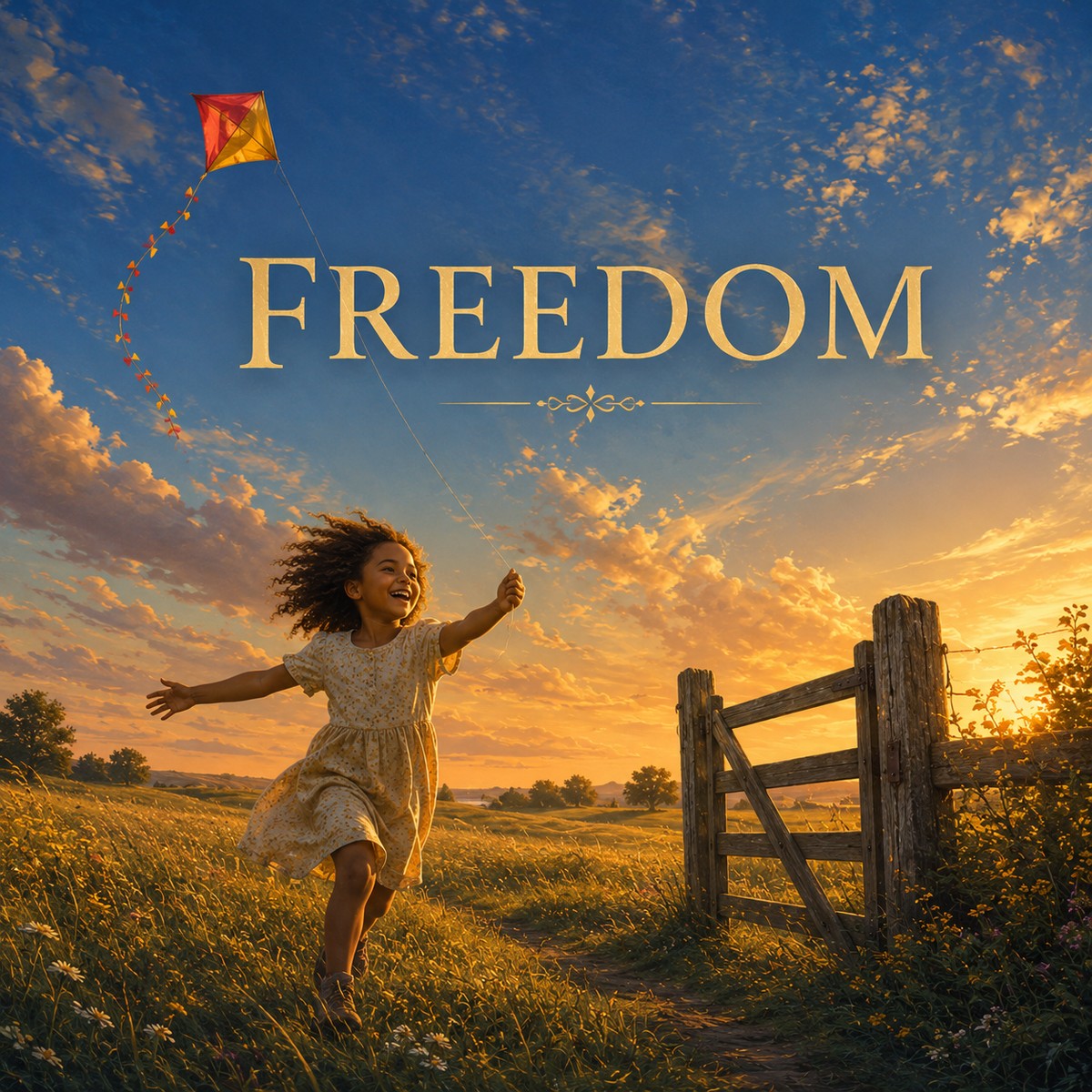
On June 19, 1865, Union soldiers reach Galveston, Texas, and read the order aloud; a young Black girl and her family, enslaved that morning, learn by evening that they are free — the day that became Juneteenth.
This Week · Freedom · Juneteenth
For littler ones: What does it feel like to be free to do what you want?
Freedom is one of those words a kid hears all the time and rarely gets to slow down on — so this week we're asking it plainly: what does freedom mean to you? Is it choosing how you spend your own day, or going where you please, or something harder to put into words? It's a fitting question for Juneteenth week: on June 19, 1865, more than two years after the Emancipation Proclamation, the news that slavery was over finally reached Texas — the last Confederate state to hear it, where a quarter-million Black Americans were still held in bondage. There's no single right answer, which is exactly what makes it a good one for the car or the dinner table.
This week's stories
American
On June 19, 1865, Union soldiers reach Galveston, Texas, and read the order aloud; a young Black girl and her family, enslaved that morning, learn by evening that they are free — the day that became Juneteenth.
American
Born into slavery in Maryland, Harriet Tubman escaped north alone by following the North Star, then went back into the South again and again to lead about seventy others out.
American
Born into slavery in Tennessee and freed at the end of the Civil War, Mary Fields became the first African American woman to carry the U.S. mail by stagecoach, driving the roughest roads in Montana with the town's children cheering her on.
Talk about it
Listen together in the app — short audio stories for kids 4–10, at bedtime, on the drive, in the drop-off line.
Join the family
New stories, the weekly Almanac, and family read-aloud picks. No spam — unsubscribe anytime.